Economic coverage written from the employee and employer perspective at once. Topics include wage growth, hiring and layoff data, labor supply in particular trades, and household costs that determine whether workers can afford to move jobs. Each piece connects a national number to a decision being made inside an ordinary company.
Employment data, wage growth and household costs read for what they mean inside a company: hiring plans, raises and who can afford to quit.
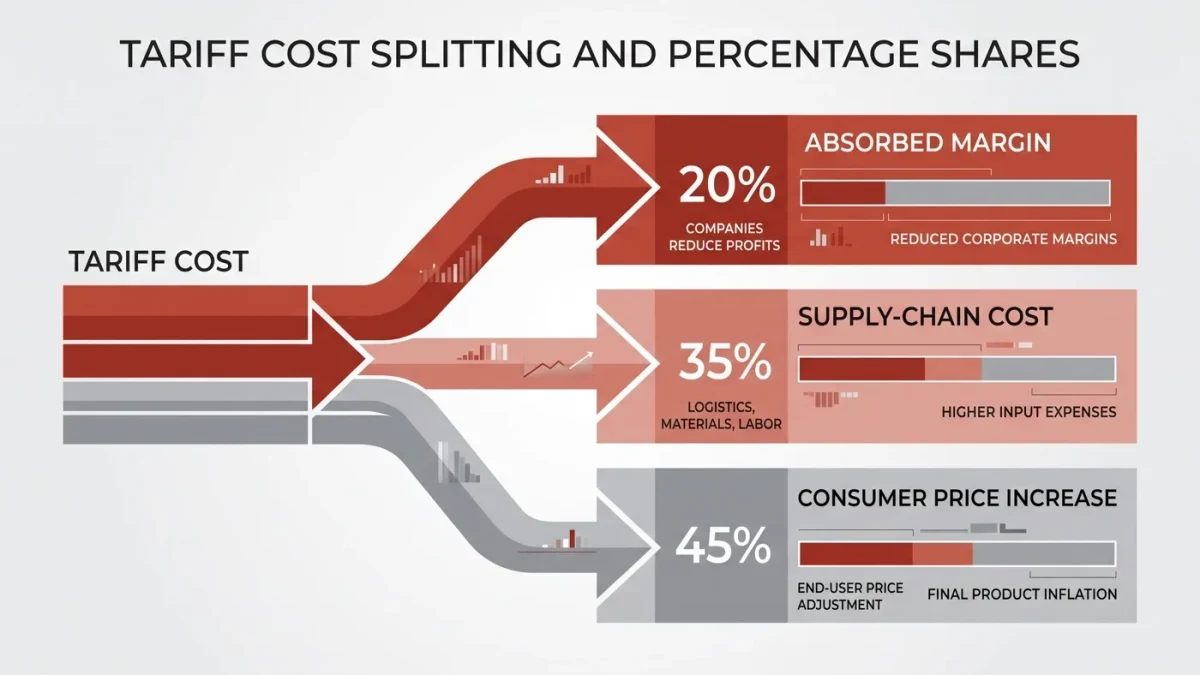
The 2025 tariff wave showed up in washing machines, tools, and toys faster than in headline inflation. The pass-through was real; the timing was the surprise.
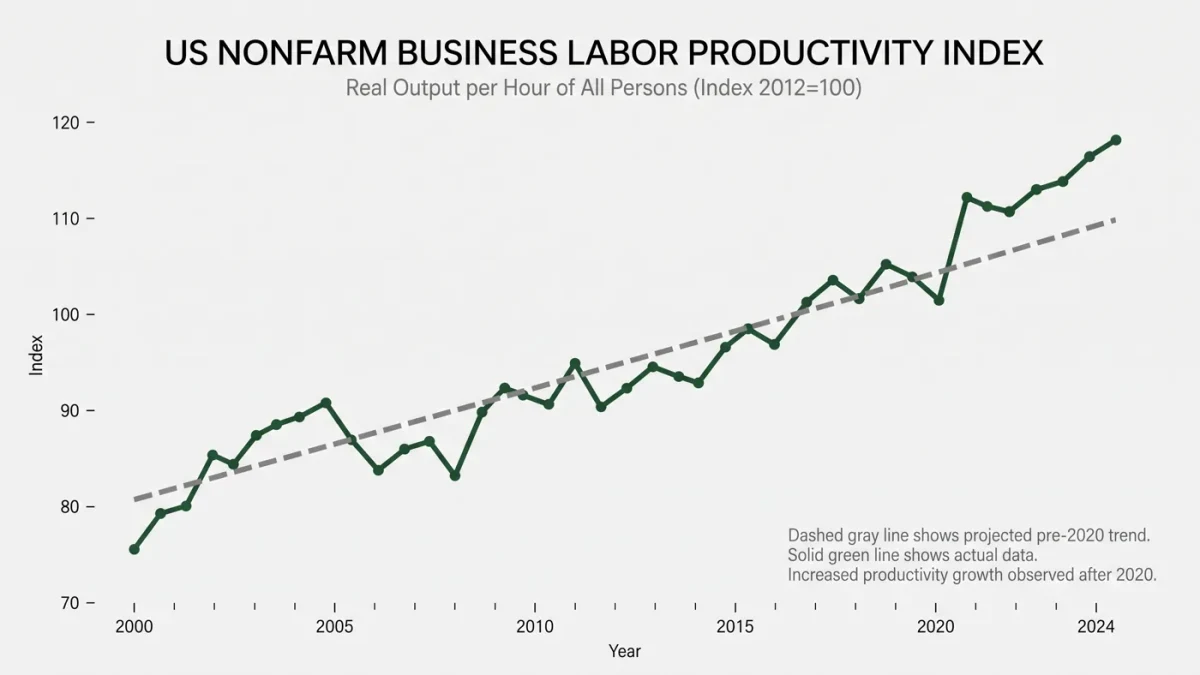
Labor productivity grew faster after the pandemic than in the decade before it. The explanations range from remote work to compositional churn, and the answer is probably all of them.
The pandemic's great migration reshuffled workers toward cheap housing; the rate reset of 2023-2025 froze them there — and rewired labor markets permanently.
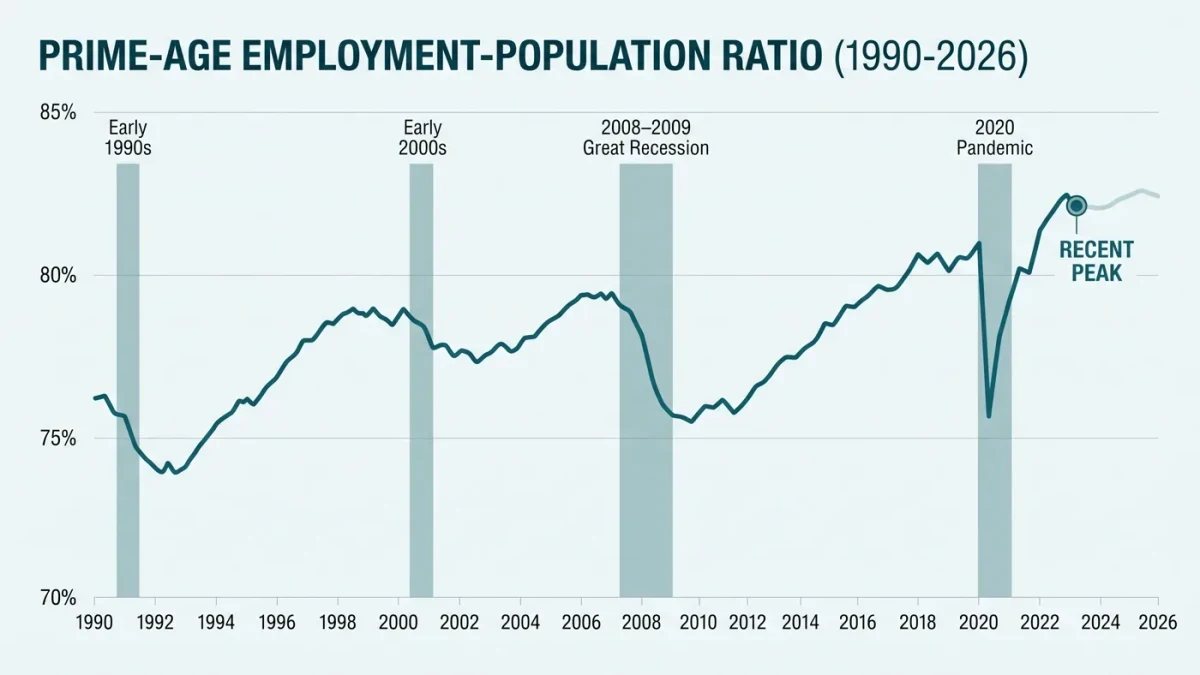
Prime-age employment, the share of 25-to-54-year-olds with jobs, hit multi-decade highs in the mid-2020s. Here's why economists trust it more than the headline rate.